
Relocating to Arizona as a specialist or surgeon? When active clinical schedules collide with urgent emergency call requirements, your commute is strictly dictated by mandatory 20- to 30-minute response radii. Relocating physicians must weigh lifestyle preferences against strict travel thresholds to find a home that meets hospital compliance standards. Explore our strategic breakdown of top Valley neighborhoods mapped directly to primary hospital networks:
1. North Scottsdale & Desert Ridge Corridor
For physicians affiliated with Mayo Clinic’s Phoenix campus, ASU Health Futures Center, or HonorHealth’s Shea and Thompson Peak campuses, the North Valley offers quick highway access via the Loop 101 and SR-51.
-
DC Ranch & Silverleaf: Approximately 10–15 minutes from HonorHealth Shea and Mayo Clinic. Offers private gated enclaves, custom estates, and high security for frequent travel.
-
Kierland & North Scottsdale High-Rises: 5–10 minutes to Mayo Clinic Hospital. Properties like Optima Kierland appeal to physicians looking for a low-maintenance, lock-and-leave lifestyle with fitness and wellness amenities on-site.
-
Desert Ridge: 5 minutes to Mayo Clinic Hospital. Highly practical for rapid response times, quiet master-planned communities, and immediate arterial freeway access.
2. Paradise Valley & The Camelback Corridor
-
- Situated at the geographic center of the luxury market, this pocket provides equal access to both Scottsdale facilities and Central Phoenix medical centers.
-
Biltmore Area: 10–15 minutes to Central Phoenix medical campuses via the SR-51 corridor. Offers gated golf-course communities and luxury mid-rise condominiums.
3. Central & Downtown Phoenix Corridors
Primary Medical Hubs: Physicians and researchers embedded in high-volume trauma centers, academic medicine, or neurological surgery require direct, non-freeway routing into the core.
-
Historic Midtown & Encanto-Palmcroft: 5–10 minutes door-to-door to Barrow and Banner University. Offers character-rich architecture, historic integrity, and quick surface-street commutes during peak traffic.
-
Roosevelt Arts District & Downtown Lofts: Under 5 minutes to the Phoenix Bioscience Core. Suited for clinical researchers and fellows wanting an urban, walkable environment adjacent to academic labs.
Key Commute Considerations for Call Coverage
-
Surface Street Reliability: While the Loop 101, SR-51, and I-10 offer fast off-peak travel, choosing a location with reliable four-lane surface street alternatives ensures you remain within the 30-minute threshold regardless of rush-hour conditions.
-
Secondary Privileges: If you rotate privileges across multiple regional facilities (e.g., Scottsdale Shea and Central Phoenix), Paradise Valley and the Camelback Corridor provide the most balanced transit times in all directions.
If you are relocating to Arizona, we can help ensure a smooth transition. Which clinical network or hospital system is your primary base of operations? I can tailor a focused property search within your specific response radius.
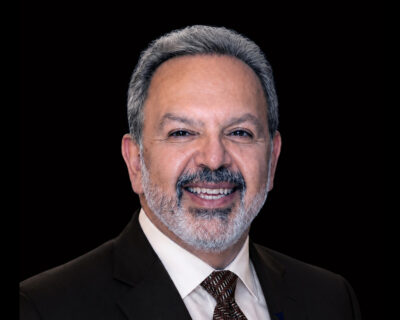
MEHRAN PARSAI
Associate Broker | Compass

Helping buyers, sellers, and investors throughout
Scottsdale and the Greater Phoenix area since 1995.

Schedule a Consultation
(480) 980-2244
[email protected]
Parsai.com